Taking weight loss injections?
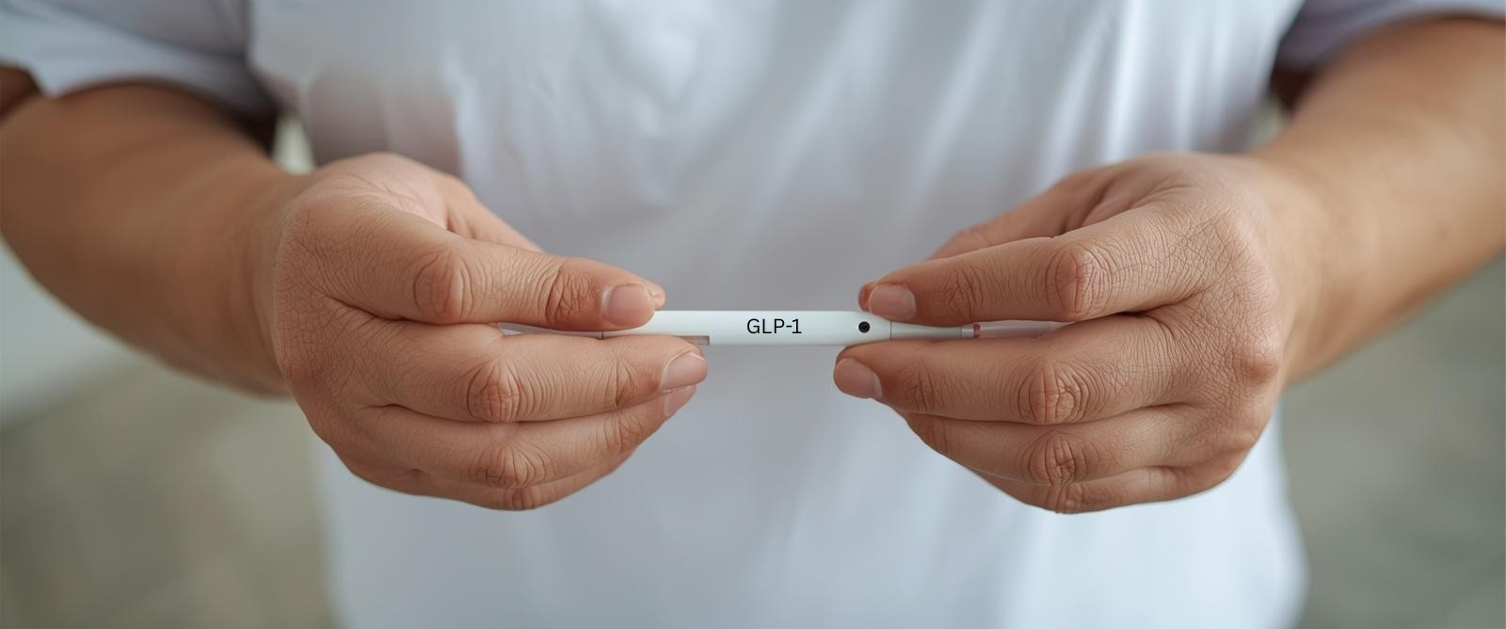
GLP-1 receptor agonists are a type of medication used to help manage blood sugar levels and support weight loss. They work by mimicking a natural hormone that helps regulate appetite, slow digestion, and improve how your body uses insulin. These injections are prescribed for people with type 2 diabetes or obesity, and are most effective when combined with healthy lifestyle changes including what you eat and how active you are.
Important Safety Advice
There are counterfeit products on the market that can be very dangerous. Using weight loss injections incorrectly can seriously harm your health. Make sure you check the following:
- Your prescriber is a registered healthcare professional, e.g. doctor or pharmacist, with the right qualifications and experience.
- They have confirmed the medication is safe for you, including (and not limited to) checking for health risks such as thyroid cancer, pancreatitis (or high risk of), pregnancy or an eating disorder.
- Your medication comes with an official patient information leaflet from the manufacturer. Read this carefully.
- Follow the dosage instructions provided by your prescriber. Never take more than recommended.
- Tell your GP and other healthcare professionals involved in your care that you’re taking this medication.
- Be honest about your weight, height and all health conditions – this helps keep you safe.
- Nausea and occasional vomiting are common when starting these drugs. Eating small meals helps. However, if your vomiting persists for 24 hours or more, or is stopping you eating and drinking for more than 24 hours then seek medical advice. If you take medication for other health conditions and you vomit, always seek medical advice.
- Women of childbearing age must use reliable contraception. This includes long-acting methods like the coil (IUCD), implant or condoms (less effective). Avoid becoming pregnant while taking these medications and for the recommended period after stopping to allow them to clear the body. This is 2 months for Semaglutide and 1 month for Tirzepatide. Women using oral contraceptives (the pill) should switch to a non-oral method or add a barrier method for 4 weeks after starting Tirzepatide and after each dose increase as this may interfere with effectiveness. For more information, see the Go here to read the Faculty of Sexual and Reproductive Health GLP1 agonists and Contraception information leaflet.
-
Non-arteritic anterior ischemic optic neuropathy (NAION), a condition that can cause sudden deterioration in vision, usually in one eye at a time, has been very rarely reported in association with semaglutide (Wegovy, Ozempic, Rybelsus).
This information has been produced by Swansea Bay University Health Board and is intended for general information only. Please note that it is not a substitute for medical diagnosis or personalised dietary advice from your prescriber, GP or dietitian. If you are unsure or have a medical condition that may require personalised advice, please speak to your health care professional.
Seven steps to healthy eating while taking weight loss injections
Eating well while taking a GLP-1 isn’t just about picking healthy foods, it’s also about adapting to changes in appetite, digestion, and taste. The aim is to lose weight steadily while maintaining a healthy, balanced relationship with food without stressing over every mouthful.
Exercise guide
 Some people taking GLP‑1 medications can lose not just body fat, but also muscle and bone strength (density). This can affect your overall fitness, balance, and long‑term health.
The good news is that you can protect your muscles and bones by adding gentle, strength‑focused exercise into your routine while using GLP‑1 treatment. Activities like light weights, resistance bands, Pilates, Tai-Chi, brisk walking or body‑weight exercises (such as chair squats or wall‑push‑ups) can help. Please see NHS exercise and activity guidelines below:
- At least 150 minutes of moderate activity each week such as brisk walking, cycling, Tai-Chi, yoga, Pilates, light gardening
- Or 75 minutes of vigorous activity like jogging, hi intensity aerobics, heavy gardening activities, HIIT classes, circuit training, strength or resistance training.
Note: This guide might not be suitable if you have health conditions that make exercise challenging like advanced osteoarthritis, chronic pain, breathing difficulties or excess weight. If you're unsure about what type or level of activity is right for you, please speak to your GP or another healthcare professional. Even gentle movement such as stretching, walking, pool-based activities, or chair exercises can still count and contribute meaningfully to your overall health.
Q&A: Your GLP-1 journey

Rydym yn croesawu gohebiaeth a galwadau ffôn yn y Gymraeg neu'r Saesneg. Atebir gohebiaeth Gymraeg yn y Gymraeg, ac ni fydd hyn yn arwain at oedi. Mae’r dudalen hon ar gael yn Gymraeg drwy bwyso’r botwm ar y dde ar frig y dudalen.
We welcome correspondence and telephone calls in Welsh or English. Welsh language correspondence will be replied to in Welsh, and this will not lead to a delay. This page is available in Welsh by clicking ‘Cymraeg’ at the top right of this page.