Drug first introduced in Swansea Bay has now helped dozens of patients across Wales
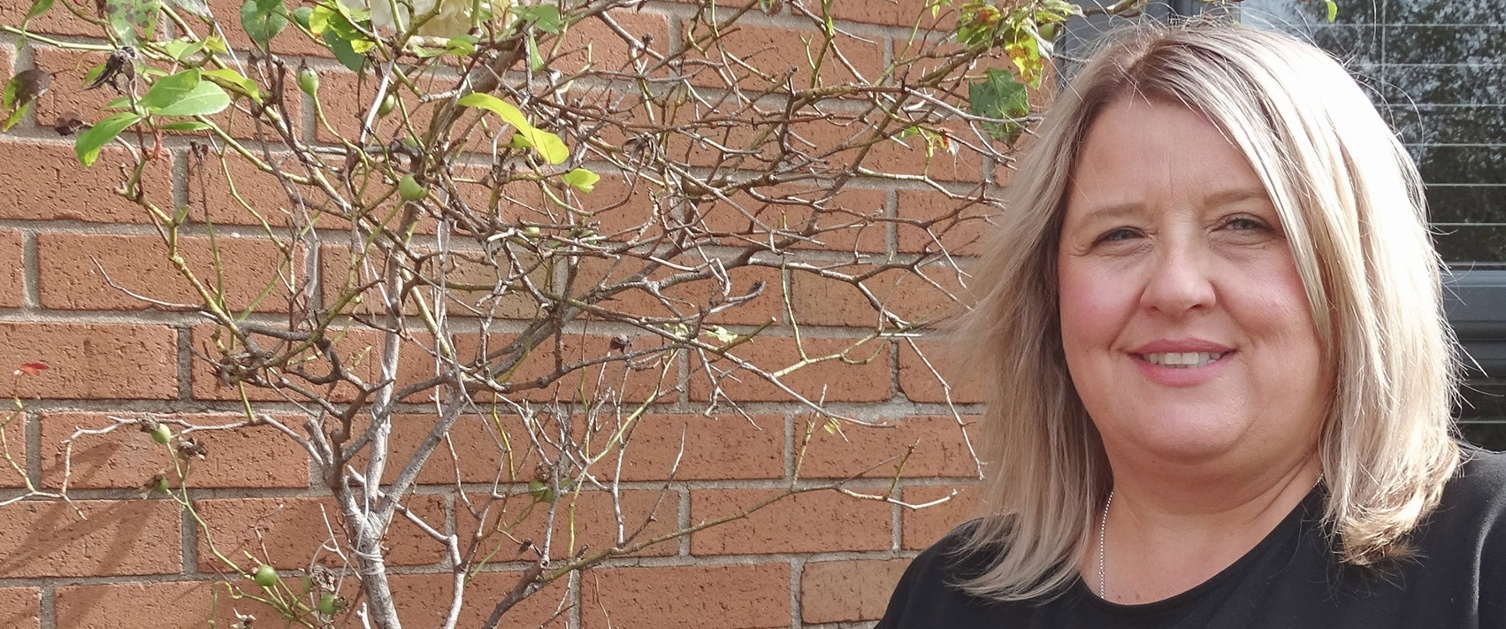
Dozens of patients in Wales have now been treated for cancer following the introduction of a new wonder drug first shared in Swansea Bay four years ago.
The health board started providing Dostarlimab in 2022. It targets a specific variant of rectal cancer, and is offered to patients whose circumstances meet the clinical criteria.
The drug is a form of immunotherapy, a treatment which helps the immune system destroy the cancer. It has proved successful enough to prevent the need for surgery, radiotherapy or chemotherapy in some patients.
It has now become a standard treatment option for all eligible patients in Wales thanks to the One Wales medicine process.
Consultant oncologist Dr Craig Barrington said: “We got the green light to start using Dostarlimab for stage two and three rectal cancer for the rest of Wales in August 2023 , and a short time later it was confirmed we were the first in the world to have this treatment as a standard of care option.
“It was fantastic to be the first country to have access to it, and there are now a few countries on board and trials are still ongoing.
“We have had it further ratified by Welsh Government, so the One Wales process which enabled us to get access to the treatment and a 12-month licence initially was reviewed last summer. We were given a further two years until the summer of 2026 to use it before it be will be re-evaluated again.”

Eight patients in Swansea Bay UHB have tried the drug since it was introduced, and 25 across Wales.
The first person in Wales to get the drug was Port Talbot mum Carrie Downey.
The 43-year-old said: “The treatment was straightforward, there was nothing major or no significant side effects, other than some fatigue and skin irritation.
“It was a lot less invasive than chemotherapy, and I was given booklets beforehand on what to expect, and potential side effects, so I was fully informed.
"I had meetings in the chemotherapy unit when the nurses went through again and reiterated what I could expect.
“I know not everyone would be suitable but it worked for me and I’m grateful I had the opportunity.”
Civil servant Carrie was put on Dostarlimab for six months, with each three-weekly IV administration taking around 30 minutes.
“If I hadn’t seen Dr Barrington, I would have a permanent stoma bag,” said Carrie.
“I’m so grateful he had looked with such detail into whether I would be suitable to take the drug. He has given me my life back. I will be forever grateful to him.”
Dr Barrington added: “This is still a very exciting, great treatment option. It has saved those particular patients from having to undergo radiotherapy and it saved them a major operation. None of those patients have had to have a stoma bag fitted.
“I am sure in oncological communities this is going to become a standard of care in the very near future right across the world. To be the first country in the world to have this drug was fantastic. It is a big success story, great for NHS Wales”.
Swansea Bay UHB was able to access the drug thanks to the One Wales Medicines process, which enables opportunities access treatments that are outside the current marketing authorisation or license, prior to approval by NICE, providing there is evidence to support it.
That process has also allowed another cancer drug, Panitumumab to be re-used during later lines of therapy. The latter treatment is for patients who have metastatic left sided colon cancer, with the drug’s re-use providing median overall survival benefit of 12 months, meaning if the patient otherwise underwent standard of care treatment, their lifespan could potentially double.
With both drugs, patients are explained how the drug has been accessed, and they are talked through the data and evidence that exists to date.
Dr Barrington added: “It is another really good option for us. We think there's going to be about 30 to 50 patients in Wales a year may well get that additional benefit from the use of re-challenge Panitumumab.”
Rydym yn croesawu gohebiaeth a galwadau ffôn yn y Gymraeg neu'r Saesneg. Atebir gohebiaeth Gymraeg yn y Gymraeg, ac ni fydd hyn yn arwain at oedi. Mae’r dudalen hon ar gael yn Gymraeg drwy bwyso’r botwm ar y dde ar frig y dudalen.
We welcome correspondence and telephone calls in Welsh or English. Welsh language correspondence will be replied to in Welsh, and this will not lead to a delay. This page is available in Welsh by clicking ‘Cymraeg’ at the top right of this page.