Barbecue sand burns warning after beach goers taken to hospital
Beachgoers have been left with serious burns to their feet from walking on hot sand where they had earlier been enjoying barbecues.
Victims have had to take time off work and faced months of pain and recuperation after blistering heat left them with severe injuries.
Morriston Hospital Burns’ Centre has issued a warning to people thinking of enjoying al fresco cooking when they visit Wales’ beaches because of the way sand retains high temperatures even when disposable barbecues have been disposed of responsibly.
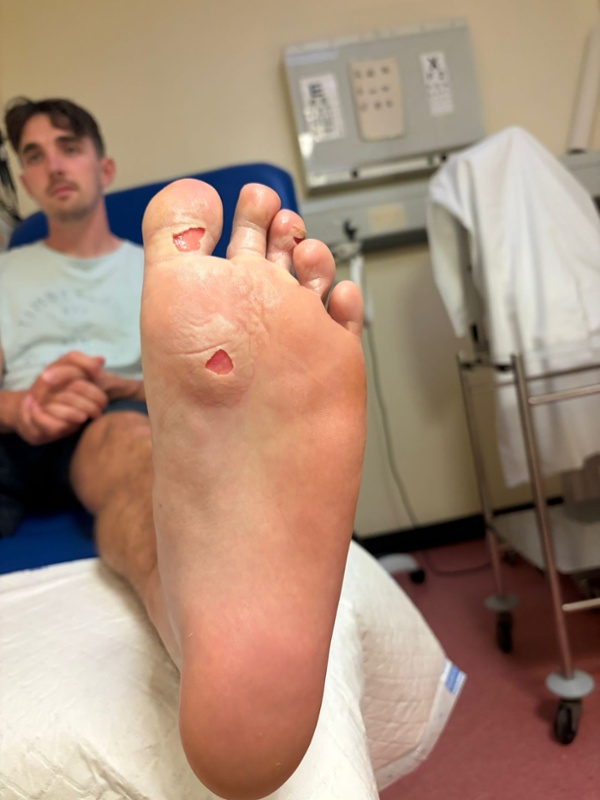
Sam Knight was unable to walk for a fortnight after burning himself following a family barbecue at Cefn Sidan earlier this year.
The 27-year-old said: “It was a family gathering and it was a windy day so there was sand in everyone’s eyes.
“When we’d finished with the barbecue I used tongs to move it to one side and extinguished it, so I thought it was safe.
“But the patch of sand it had been on was still boiling, and after I stepped on it I had to be carried off the beach. I went to the Minor Injury Unit at Neath Port Talbot Hospital but they just patched me up and told me there the burns were so deep I needed to go to the Burns’ Centre at Morriston.
“I couldn’t walk for a couple of weeks so I had to take a fortnight off work.”
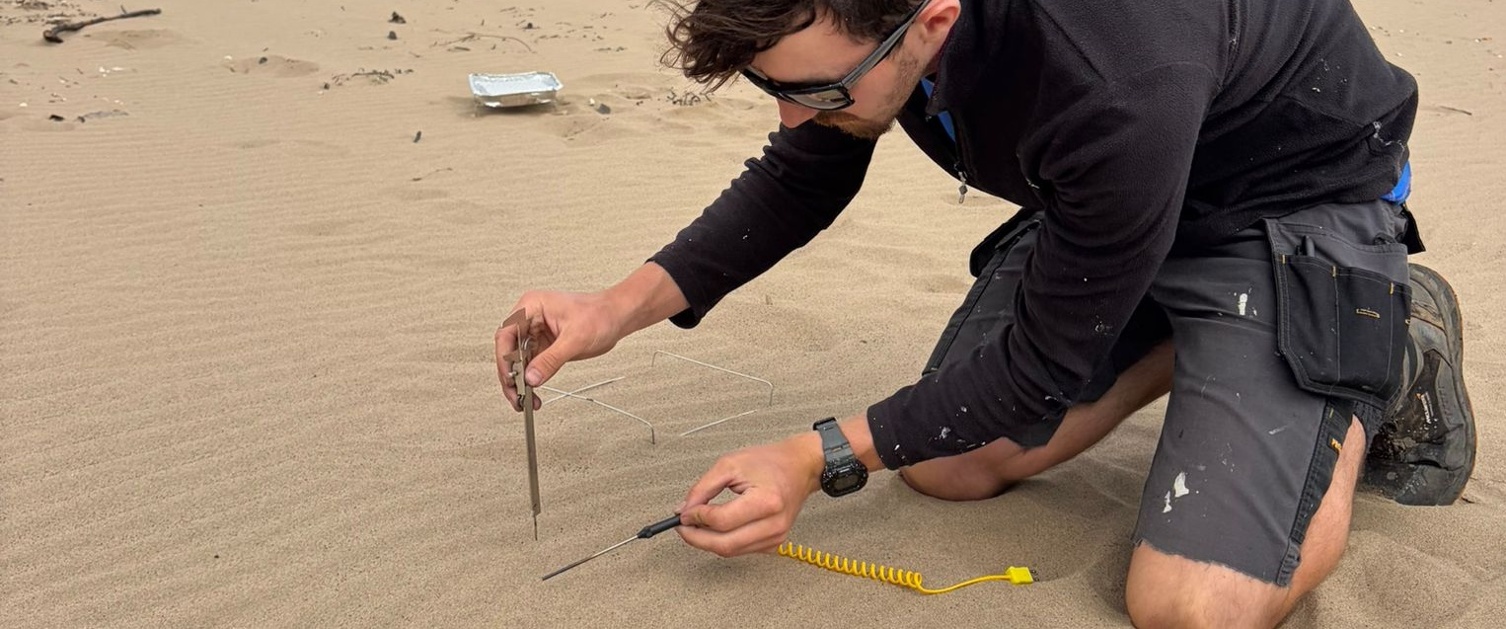
Once able to return to the beach, Sam, a mechanical engineer, decided to put his work skills into practice and returned to the beach to carry out an experiment; He fired up two disposable barbecues, placing one directly onto the sand, and another raised 40mm off it. When he measured the sand under the first, it recorded a temperature of 244°. The barbecue raised from the sand kept it close to the ambient temperature under the conditions tested.
He added: “The packaging advised raising the barbecue from the surface, but it didn’t provide any way to do so, and suggested locating some bricks at the location it was being used.”
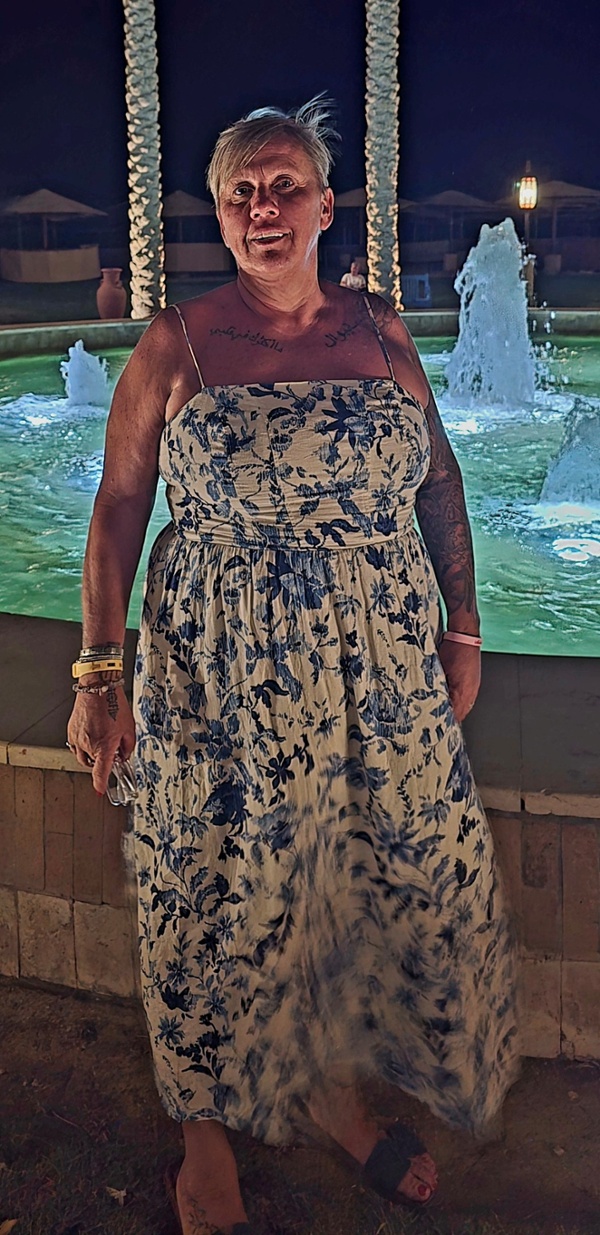
Sam’s experience was almost identical to that of Melanie Holbrook, who had paid a visit to Oxwich Bay on Gower with her husband.
They too had used a disposable barbecue and disposed of it sensibly to make it safe.
However, moments later she too stepped on the sand where the barbecue had been, feeling instant excruciating pain under her feet.
She said: “When I looked, the bottoms of my feet were burnt yellow.
“The heat from the barbecue had gone straight into the sand. I had no idea that could happen.
“My husband poured water over my feet and ran for help. They got my feet into a container with cold water and moved me over to the shade with my feet under running water until the ambulance came.
“I ended up in A&E in Morriston Hospital and then in the Burns’ Centre. The skin on my feet was badly blistered and had to be removed. I had weeks of treatment, with regular dressing changes and check-ups. I wouldn’t wish that pain on anyone.
“It took weeks for the skin on my feet to heal and it took about four to five months before I could properly walk again and I still get some sensitivity even now.”
By chance, Swansea Bay UHB physiotherapist David Fligelstone was close by on the beach when Mrs Holbrook experienced her burns, and was one of those who came to her aid.
He said: “Having worked both as an RNLI lifeguard and later as a physiotherapist on the Burns Unit at Morriston Hospital, I've seen first-hand the devastating impact these injuries can have.
“What makes them particularly concerning is that the danger is often invisible – once a disposable BBQ has been removed, the sand beneath can remain hot enough to cause serious burns for a considerable time.
“These injuries are entirely preventable. A simple action, such as thoroughly cooling the sand with water after removing a disposable BBQ, can prevent severe injuries, particularly in children. This summer we want people to enjoy our beaches safely while helping to prevent avoidable injuries before they happen.”
Consultant surgeon Jeremy Yarrow said a recent review of data from the International Burn Injury Database (IBID) highlights a worrying and continuous rise in disposable BBQ-related injuries over the past few years.
He added: “As burn care specialists on the front line at the Welsh Centre for Burns and Plastic Surgery, we are issuing an urgent public safety appeal regarding a severe and entirely preventable summer hazard: thermal burn injuries caused by disposable barbecues on our beaches.
“While many associate barbecues with open flames, a significant proportion of the severe injuries we treat in hospital stem from an invisible trap: super-heated sand beneath the grill.
“Sand absorbs intense heat from disposable barbecues, reaching temperatures upwards of 400°C that persist for hours after the barbecue unit itself has been removed or extinguished.
“To an unsuspecting child running barefoot or a beachgoer stepping onto the beach hours later or pet, this hidden hazard can inflict devastating, full-thickness burns in a fraction of a second.”
To protect family and fellow beach users, people using disposable barbecues are urged to follow three vital safety practices:
- Raise the BBQ off the sand. Never place a disposable barbecue directly on the beach; always elevate it using stones, bricks, or a dedicated stand to prevent heat from transferring to the sand underneath.
- Cool both the BBQ and the sand with water. Once you have finished cooking, douse the barbecue and the sand beneath it thoroughly with seawater, ensuring the ground is completely cold to the touch before leaving. We strongly warn against burying hot barbecues or glowing embers in the sand. Covering coals with sand does not extinguish them—it acts as an insulator, turning the sand into a hidden oven that poses danger to other beach users and animals.
- Dispose of the cooled BBQ safely by placing it in a designated hot-ash bin or taking it home with you.
Should an accident occur, immediate and correct first aid is critical to improving clinical outcomes and reducing the depth of the burn. Remember the 3 Cs:
- Cool the burn under cool running water for at least 20 minutes (do not use ice or butter).
- Call 999 for emergencies or NHS 111 for clinical advice—all beach sand burns in children require urgent medical assessment.
- Cover the wound loosely with clean cling film to protect the damaged skin.
Rydym yn croesawu gohebiaeth a galwadau ffôn yn y Gymraeg neu'r Saesneg. Atebir gohebiaeth Gymraeg yn y Gymraeg, ac ni fydd hyn yn arwain at oedi. Mae’r dudalen hon ar gael yn Gymraeg drwy bwyso’r botwm ar y dde ar frig y dudalen.
We welcome correspondence and telephone calls in Welsh or English. Welsh language correspondence will be replied to in Welsh, and this will not lead to a delay. This page is available in Welsh by clicking ‘Cymraeg’ at the top right of this page.