Team awarded for reviewing antibiotic usage to prevent resistant infections
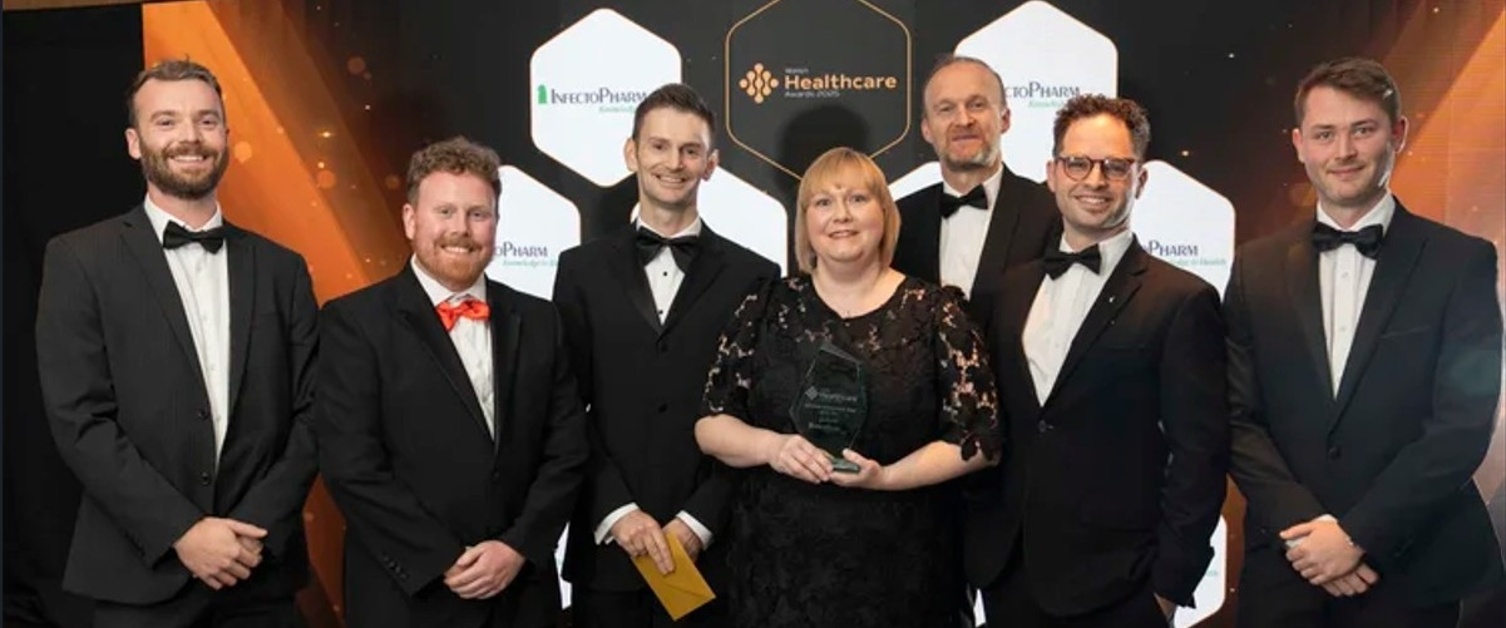
A Swansea Bay team has been named the best in Wales for helping to reduce the risk of infections for patients in hospital.
The antimicrobial stewardship (AMS) ward round team supports Morriston Hospital staff to help patients switch from using broad-spectrum antibiotics to more targeted treatment instead.
Broad-spectrum antibiotics cover a wide range of bacterial infections rather than specific ones.
Despite being needed initially to treat serious infections, overuse can risk causing antibiotic resistance and Clostridioides difficile (C. diff) infections.
C. diff is a type of bacteria that can cause diarrhoea.
It usually lives harmlessly in the bowel along with lots of other types of bacteria. Sometimes, though, when taking antibiotics, the balance in the bowel can change, causing an infection.
Antibiotics do not work against viral infections, such as coughs and colds, so self-care, such as staying hydrated, resting and taking painkillers to control symptoms, is often advised for those feeling unwell.
Taking antibiotics when they aren’t needed can create a risk of antimicrobial resistance.
Each year, World Antimicrobial Awareness Week takes place between 18th-24th November – with this year’s theme being Act Now: Protect Our Present, Secure Our Future.
Morriston’s AMS team decided to act after noticing an increase in C. diff infections amongst patients and introduced ward rounds to help clinical teams review antibiotic usage.
Antimicrobial pharmacist Dan Robbins said: “When using broad-spectrum antibiotics, guidance recommends doing a review within 72 hours and refining the treatment to better target the cause of the infection.
“Health board data showed this was not happening routinely, which created a risk of patients staying on broad-spectrum antibiotics for longer than needed. This also increased their risk of developing resistant infections.
“As a way of preventing this, we decided to become more visible on the wards and help clinical teams review patients and encourage early switch of antibiotics in those who were appropriate.
“We hoped that by engaging with clinical teams, it would help to embed this practice across the wards.”
The ward rounds were made possible through the use of the electronic prescribing system, which made it easier for staff to identify which patients had been prescribed broad-spectrum antibiotics.
It details why and when patients were prescribed antibiotics and when they are due to stop, so staff can then add them to the ward round list.
To date, the team has managed to reduce exposure to broad-spectrum antibiotics in two thirds of the patients they have reviewed.
Prescribing levels of the most common antibiotic reviewed during the ward rounds, piperacillin/tazobactam, is now the lowest in Wales.
Their success has resulted in them winning the Infections Management Team of the Year Award at this year’s Welsh Healthcare Awards.
“So far 390 patients have been reviewed on the AMS ward rounds,” Dan added.
“We were able to stop or switch antibiotics to oral and or narrower spectrum antibiotics in 75 per cent of reviews.
“When a change in treatment was advised by our team it was accepted and acted on in 90 per cent of reviews which shows good engagement from clinical teams.
“Overall, our team’s interventions have resulted in a reduced exposure to broad-spectrum antibiotics in 263 of the patients reviewed.
“We have had great engagement from clinical teams and ward pharmacists, which we hope will create more opportunities for collaborative work in antimicrobial stewardship and for them to adopt this best practice approach going forward.”
Members of the team attended the Welsh Healthcare Awards, held at The Vale Resort, where they received the prestigious award.
Lorcan O’Connell, consultant microbiologist, said: “I am delighted and truly humbled by our win at the recent Welsh Healthcare Awards.
“To be acknowledged among the best of healthcare in Wales was an honour.
“We are lucky to have such a diligent and dedicated stewardship team in Swansea Bay, and this award belongs to the entire multidisciplinary team.
“It’s proof that collaboration, vigilance and good stewardship contribute to what matters most, which is protecting patients and preserving antibiotics.
“Reducing exposure time to broad-spectrum antibiotics is important. It allows the patient’s gut flora to recover quicker, helping to reduce their risk of C. diff and other resistant infections.
“These ward rounds and other initiatives led by the AMS team have led to overall reductions in the use of broad-spectrum antibiotics.”
Picture credit: Kyron Healthcare Media.
Full picture caption (second from left): Consultant microbiologists Lorcan O’Connell and Edward Bevan, antimicrobial pharmacy technician Alison Taylor, and antimicrobial pharmacists Dan Robbins and Luke Johanson-Brown.
Rydym yn croesawu gohebiaeth a galwadau ffôn yn y Gymraeg neu'r Saesneg. Atebir gohebiaeth Gymraeg yn y Gymraeg, ac ni fydd hyn yn arwain at oedi. Mae’r dudalen hon ar gael yn Gymraeg drwy bwyso’r botwm ar y dde ar frig y dudalen.
We welcome correspondence and telephone calls in Welsh or English. Welsh language correspondence will be replied to in Welsh, and this will not lead to a delay. This page is available in Welsh by clicking ‘Cymraeg’ at the top right of this page.